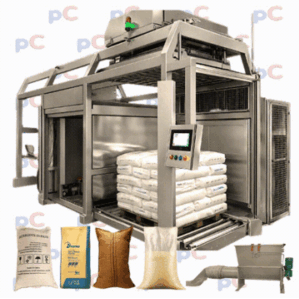
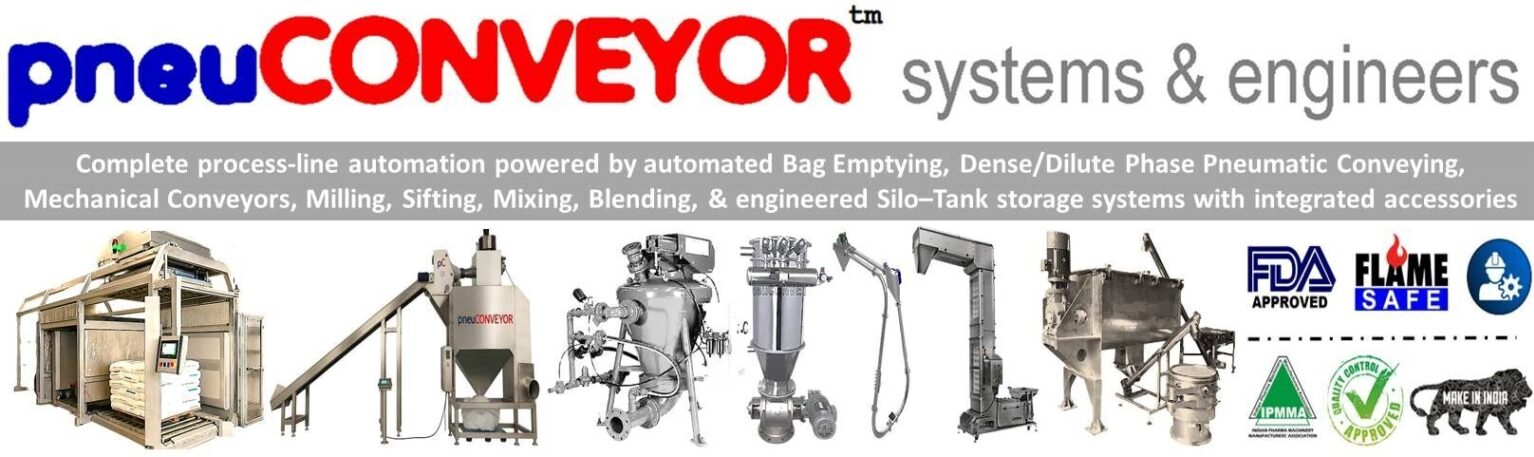


What is a Powder Transfer System?
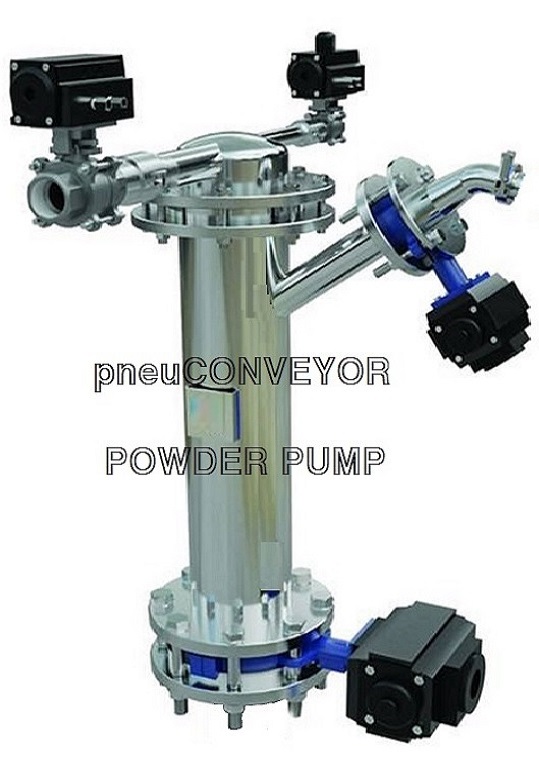
What is a Powder Transfer System? – A powder transfer system moves powders or granules from one point to another in a closed pipeline using air or vacuum pressure, instead of manual handling.
Commonly used in:
Pharma • Chemicals • Food • Minerals • Battery materials • APIs
⚙️ Basic Working Principle – What is a Powder Transfer System?
1️⃣ Feeding Stage
Powder is loaded into the system from:
- Bag dumping station
- Big bag unloading station
- Hopper
- Silo
- Reactor discharge
2️⃣ Conveying Stage (Air / Vacuum Flow)
Depending on the design, either:
🟦 Vacuum Conveying
A vacuum pump creates negative pressure in the pipeline.
Atmospheric air pulls the powder into the pipeline and transports it to the destination.
OR
A blower / compressor pushes air into the pipeline and pushes powder forward.
Powder moves as:
- Dilute phase → fast-moving powder cloud
- Dense phase → slow, plug-type movement
3️⃣ Transport Through Pipeline
Inside the pipeline:
- Powder particles are suspended or pushed by air
- Flow rate, pressure, and velocity are carefully controlled
- No contamination, no spillage
4️⃣ Separation at Receiving End
At destination (reactor, blender, dryer, silo):
- Cyclone / Filter receiver separates powder from air
- Clean air goes out through filters
- Powder drops into the process vessel
5️⃣ Discharge & Next Operation
Collected powder is discharged through:
- Rotary valve
- Butterfly valve
- Knife gate valve
Into the next machine: reactor, ANFD, FBD, blender, etc.
🧪 Example in Pharma Plant
From: Bag dumping station
→ Powder transfer system
→ Reactor / ANFD / Blender
All in a closed, dust-free, GMP-compliant loop.
🧩 Types of Powder Transfer Systems
| System Type | How It Moves |
| Vacuum | Pulls powder |
| Pressure | Pushes powder |
| Dense Phase | Slow, low air, gentle |
| Dilute Phase | Fast, high air |
| Mechanical | Screw / bucket (no air) |
🌟 Why Industries Use It
- No manual handling
- No dust pollution
- Safe & hygienic
- Faster production
- Accurate batch control
- Meets GMP & safety standards
For more details, please contact
Pneuconveyor systems & engineers
eMail – pneuocnveyor@gmail.com
Mobile – 8169813211 / 8928254229